Use Cases
Real business processes, rebuilt as a single Ew-Flow workflow. Each article shows where the manual version breaks and how the orchestrated one runs, step by step.
Why type an order that already exists?
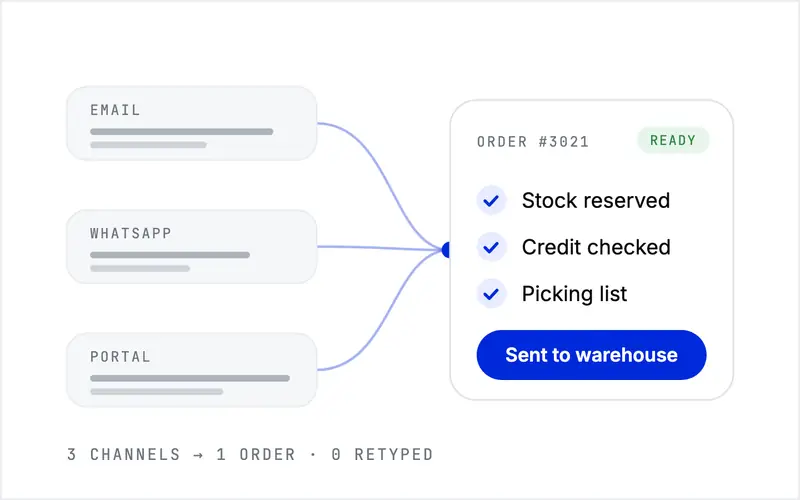
Every B2B order already exists when it arrives, yet someone still retypes it. An order workflow reads email, WhatsApp and portal requests, validates stock and credit in real time, confirms instantly and sends the warehouse its picking list in seconds.
All use cases
Why type an order that already exists?
The appointment starts long before the visit.
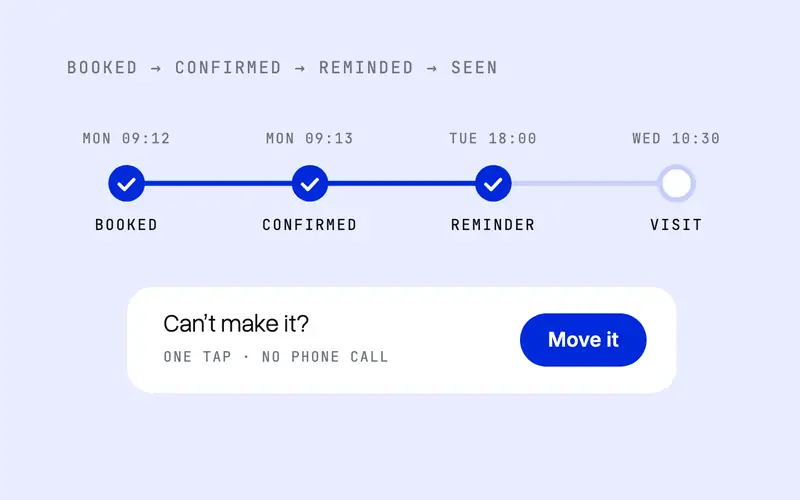
Empty examination rooms are rarely a scheduling problem. Automated confirmations, reminders and one-click rescheduling guide patients from booking to follow-up, cutting no-shows and freeing reception from a day of phone calls.
Shipments stop for documents, not distance.
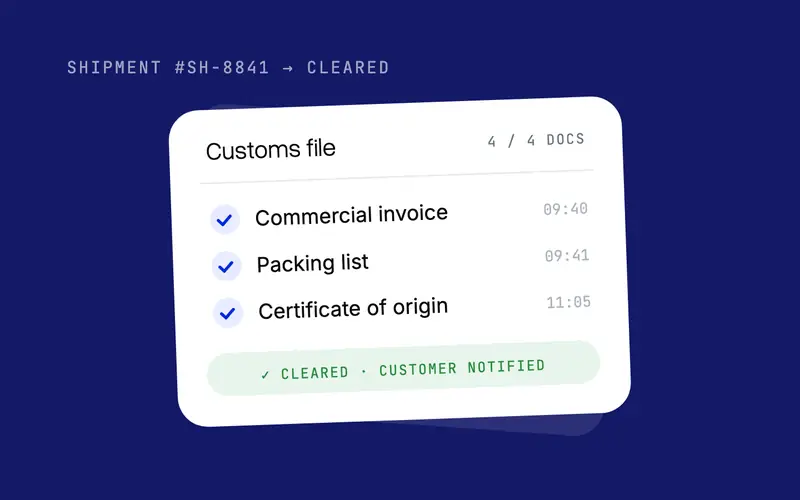
Most shipment delays start in an inbox, not on the road. A customs workflow checks every file for completeness, chases missing documents with tracked deadlines and updates customers at each status change, so goods clear without the email chase.
From request to quote in minutes.
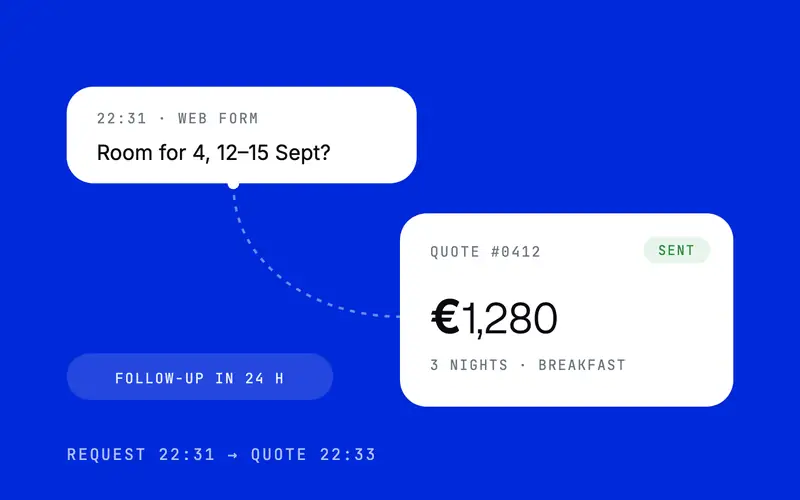
A quote request at 10:30 PM should not wait for the morning shift. A structured inquiry workflow captures every channel, drafts the quotation and follows up automatically, so hotels answer in minutes and win the booking before anyone else replies.
Automation systems that keep industry moving.
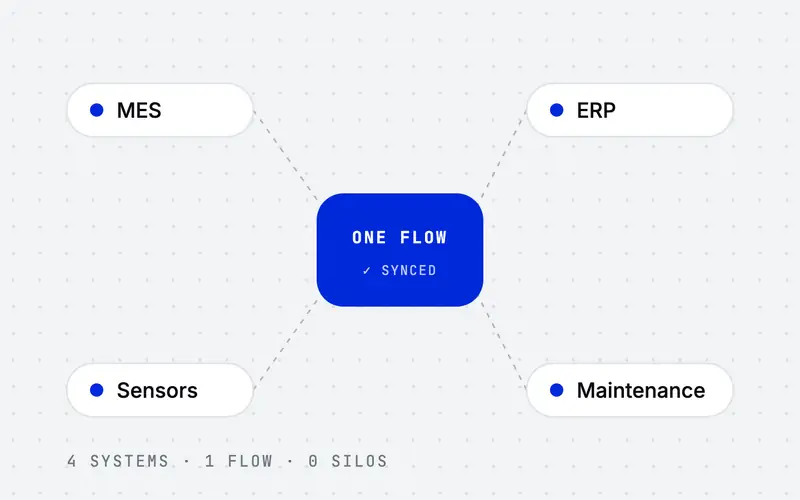
Factories and plants already run on automation, but MES, ERP, sensors and maintenance teams still work in separate silos. Orchestrating those systems into one connected flow turns isolated islands of automation into real productivity: less downtime, faster decisions, full visibility.
From checkout to delivery fully orchestrated.
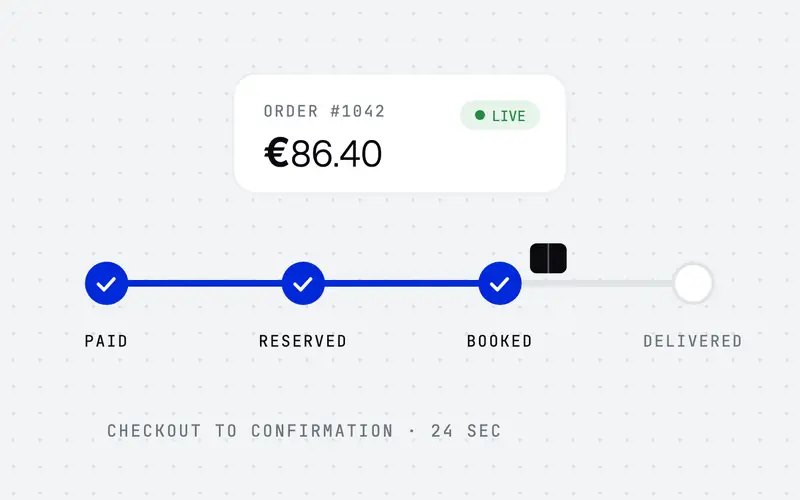
An order is a chain of handoffs waiting to break. An order workflow verifies payment, reserves stock, books the courier and keeps the customer informed from checkout to doorstep, without a single manual copy-paste.
Capture, qualify, convert: without losing a single lead.
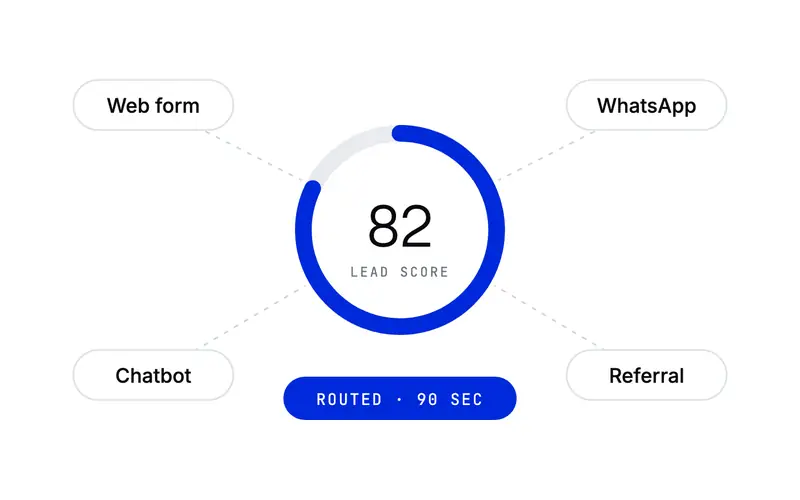
Every lead is potential revenue, but most companies still lose them in the gap between capture and sales follow-up. Different channels, manual sorting, delayed responses: the result is always the same, opportunities that go cold.
Respond faster. Recover smarter.
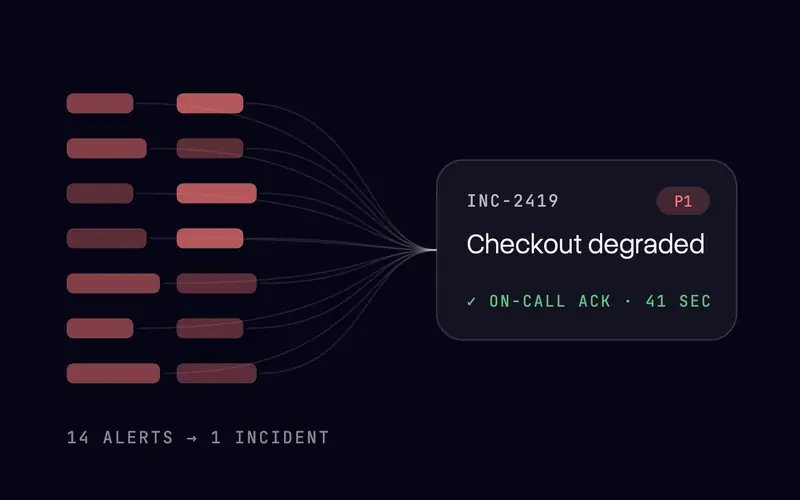
When systems fail, minutes are the currency. An incident workflow merges alerts into one case, pages the right on-call in seconds, escalates on timers and writes the postmortem itself, so teams fix instead of coordinating.
First-day ready, without operational friction.
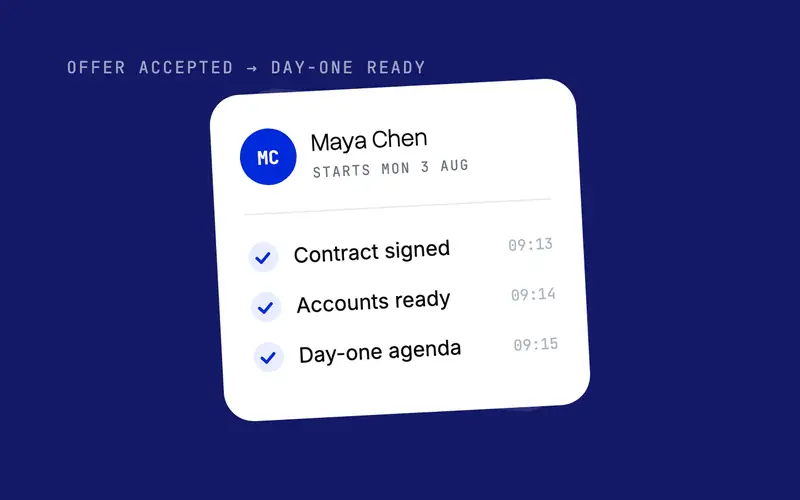
A new hire’s first day is decided weeks earlier. An onboarding workflow triggers contracts, IT access and communication the moment an offer is accepted, so HR stops chasing documents and every start date arrives fully prepared.
24/7 smart assistance without losing context
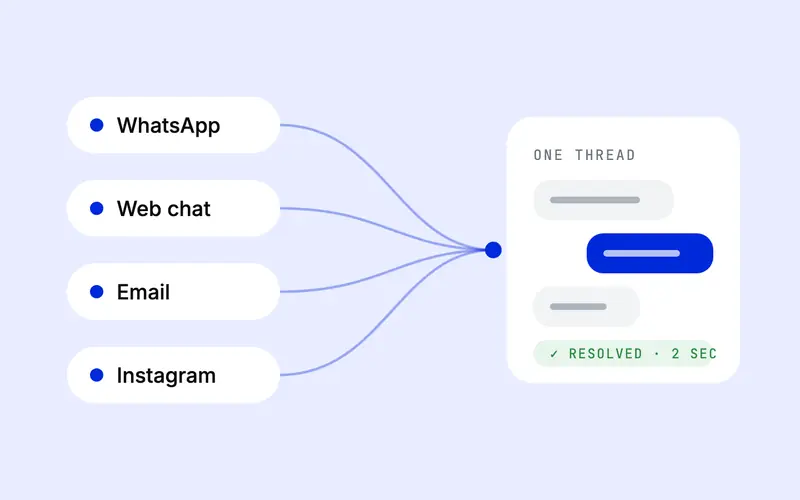
Support requests arrive on every channel at every hour, and context dies between them. An orchestrated support workflow answers routine questions instantly, routes real cases with full history attached and keeps one thread per customer, day and night.
Calendars that coordinate themselves.
Scheduling looks simple until you count the hours: availability checked by hand, confirmations over email, reminders someone forgets to send. Self-coordinating calendars turn booking into an automated workflow, from availability and confirmation to reminders and rescheduling, end to end.